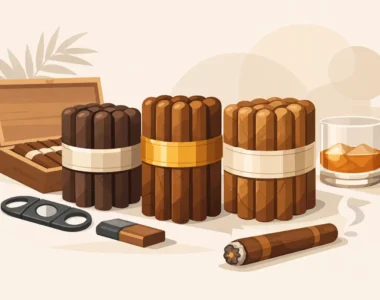
If you have ever added cigars to your cart and then stopped at ring gauge, wrapper type, or strength level, this canada cigar buying guide is built for that exact moment. Most adult buyers are not looking for a cigar lecture. They want to know what fits their taste, what is worth the price, what stores well, and what they can reorder without guesswork.
The fastest way to buy better is to shop by smoking habit, not by hype. A cigar that looks premium on a product page can still be the wrong pick if you only smoke occasionally, prefer milder tobacco, or need a short format that does not take an hour to finish. Good buying starts with matching the product to how you actually smoke.
What this Canada cigar buying guide should help you solve
A lot of cigar advice gets too romantic and not practical enough. Adult buyers in Canada usually need a simpler filter. They want to narrow the field between machine-made and handmade cigars, decide whether a bundle makes more sense than singles, and avoid overpaying for a format that does not fit their routine.
That matters because cigars are not one-category products. Strength, size, wrapper, origin, construction, and freshness all affect the result. Even two cigars with similar branding can smoke very differently if one uses a darker wrapper or a wider ring gauge.
If you shop online, the smart move is to read product details like inventory data, not like marketing copy. Size, country of origin, wrapper shade, count per pack, and whether the cigar is sold as a single, tin, bundle, or box all tell you more than a broad claim about quality.
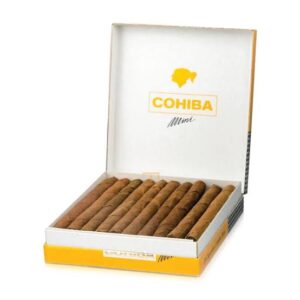
Canada Cigar Buying Guide
Start with the right cigar category
The biggest buying mistake is treating all cigars like they belong in one lane. They do not. If you want a quick smoke, easy draw, and lower learning curve, machine-made cigars are often the practical starting point. They are usually more consistent from stick to stick, easier to budget for, and well suited to buyers who care more about convenience and repeatability than hand-rolled prestige.
If you want more complexity, slower burn, and a fuller tobacco profile, handmade cigars are usually the better fit. That does not automatically make them the smarter purchase. Handmade cigars tend to cost more, can be more sensitive to storage conditions, and often reward slower smoking habits. If you only light up occasionally, it depends on whether you want a better cigar or simply a more forgiving one.
Then there are flavored cigars and cigarillos. These work for buyers who know they prefer sweetness, aroma, or a less traditional profile. They are also common crossover products for adult shoppers who already buy wraps, blunt products, or flavored tobacco. The trade-off is obvious – if you are trying to taste wrapper and filler nuance, flavor-infused products can cover that up.
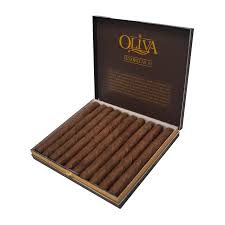
Canada Cigar Buying Guide
Size matters more than most buyers think
Many shoppers focus on brand first and size second, but the order should usually be reversed. Length and ring gauge shape both time and flavor delivery. A thicker cigar often burns cooler and can feel richer, while a slimmer cigar can smoke faster and more sharply. That is not a quality judgment. It is a fit issue.
If you need something for a shorter break, look at smaller vitolas, cigarillos, coronas, or short robusto formats. If you typically smoke in a relaxed setting and want more time, larger robustos, toros, and churchill-style cigars make more sense. Buying a large-format cigar because it looks premium is a common waste of money when your schedule only gives you twenty minutes.
Ring gauge also changes body perception. A milder blend in a wider cigar may feel smoother because the smoke is cooler and the burn is slower. A stronger blend in a narrow format may come across as more direct. When in doubt, choose the size that matches your session length first, then tune strength and wrapper from there.
How to buy by strength without getting it wrong
Strength labels are useful, but they are not perfect. Mild, medium, and full-bodied tell you something, just not everything. A cigar can be medium in nicotine impact but still taste dark, earthy, and heavy because of the wrapper and blend.
For newer cigar buyers, mild to medium is the safe lane. That usually means easier starts, less palate fatigue, and a lower chance of buying something that feels harsh halfway through. For experienced smokers who already know they prefer more body, pepper, spice, or dense smoke output, medium-full and full-bodied options are worth targeting.
Do not confuse strength with quality. Plenty of adult buyers prefer milder cigars because they pair better with regular smoking routines or because they want a cleaner profile. Stronger is not better. It is just stronger.
Wrapper color is not just visual
Wrapper shade gives you a quick read on how a cigar may smoke, although there are exceptions. Lighter wrappers often lean drier, nuttier, creamier, or more cedar-forward. Darker wrappers can bring sweeter, richer, or more earthy notes. Maduro-style wrappers are especially popular with buyers who want a fuller taste without always stepping into the strongest nicotine range.
This is one area where product photos can help, but only if the listing also gives actual wrapper information. Lighting can make cigars look darker or glossier than they are. If you see a dark wrapper and want richness, that is a good lead, not a guarantee.
Singles, packs, bundles, or boxes
A practical canada cigar buying guide has to cover format because packaging changes value. If you are testing a new line, singles are the lowest-risk option. You get to try the draw, burn, and taste without committing to a larger quantity.
If you already know the cigar fits your routine, packs and bundles usually offer better value per stick. Boxes make the most sense for repeat buyers, buyers splitting inventory, or smokers who maintain proper storage and know they will work through stock while it is still fresh. The wrong move is buying a full box of a cigar you have never smoked because the price break looked good.
Bundle cigars can be especially useful for buyers who prioritize everyday smoking over presentation. Packaging may be simpler, but the cost per unit is often better. If your goal is regular rotation and practical value, bundles deserve serious consideration.
Storage changes the purchase
If you do not have basic humidity control, buy smaller quantities. That is the cleanest rule in this canada cigar buying guide. Cigars are not shelf-stable in the same way cigarettes are. Too dry, and they burn hot, crack, or lose flavor. Too wet, and they burn poorly and feel flat.
You do not need an elaborate setup to buy smart. A reliable humidor or sealed storage solution with humidity control products can protect your purchase and help maintain consistency. This matters even more when ordering higher-end handmade cigars or larger box quantities.
If you are buying for immediate use over a short period, storage pressure is lower. But if you are ordering multiple formats, harder-to-find cigars, or a restock with local pickup or shipping, storage should be part of the buying decision, not an afterthought.
How to shop online without wasting money
Online cigar buying is mostly about filtering. Start with the brands or formats you already trust, then compare size, strength, and count. If a store carries cigars alongside cigarettes, wraps, nicotine products, and accessories, that can save time because you can build one order instead of placing several.
Stock movement also matters. Hard-to-find cigars and specialty products do not always stay available. If you know a certain line, flavor, or format works for you, buying when it is in stock can be smarter than waiting for a future restock that may not come quickly. That is one reason catalog depth matters in a store like Backwoods Supplies Canada Inc. – repeat buyers often shop availability first.
Watch the details that affect value beyond sticker price. Count per pack, shipping options, local pickup availability, and whether you need humidity products, a case, or a cutter in the same order all change the real cost.
Common buying mistakes to avoid
Most wasted cigar purchases come from simple mismatches. Buyers choose a strong cigar when they really want flavor without impact. They buy large boxes before testing a single. They ignore storage and then blame the cigar. Or they buy by reputation when they should buy by format.
Another mistake is assuming Cuban versus non-Cuban is the whole decision. Origin matters, but construction, blend style, wrapper, and freshness matter too. Some buyers want a specific country profile. Others simply want a consistent cigar at the right price. Both approaches are valid.
The best cigar for you is the one you will actually enjoy enough to reorder. That may be a handmade premium cigar, a machine-made daily smoke, or a flavored option that fits your taste better than something more traditional.
If you want your next order to go right, buy for your real smoking pattern, not your ideal one. A cigar that matches your budget, session length, and taste is almost always a better buy than the most talked-about stick in the category.