

Ask ten cigar smokers about cuban vs non cuban cigars and you’ll usually get ten different answers, plus at least one opinion stated like law. The reality is simpler. Both categories can deliver a great smoke, and both can disappoint if you buy the wrong stick for your taste, budget, or smoking habits. If you shop by flavor, strength, construction, and availability instead of hype, the choice gets much easier.
For adult buyers who already know they want a certain profile – richer earth, sweeter spice, lighter cream, heavier body, easier draw, or better value by the box – the real question is not which is “better.” It’s which cigar gives you the experience you actually want right now.
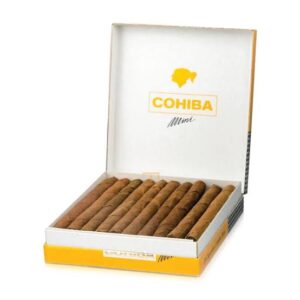
Cuban vs Non Cuban Cigars
Cuban vs Non Cuban Cigars: What’s the Real Difference?
At the most basic level, Cuban cigars are made in Cuba with Cuban tobacco. Non-Cuban cigars are produced everywhere else, including Nicaragua, the Dominican Republic, Honduras, Mexico, and the United States. That sounds obvious, but the bigger difference is style.
Cuban cigars are often associated with a more restrained, layered profile. Many smokers describe them as earthy, woody, leathery, mineral-driven, and subtle in the way flavors shift over the length of the smoke. They can be complex without being loud. For some smokers, that nuance is exactly the appeal.
Non-Cuban cigars usually give you a broader range of flavor styles and strength levels. That matters if you want something bold, peppery, sweet-spicy, cocoa-heavy, creamy, or full-bodied right out of the gate. Producers outside Cuba also tend to experiment more with blends, fermentation styles, wrapper combinations, and construction methods. As a result, the category is wider and often easier to shop by profile.
That’s why the comparison matters. You’re not choosing between authentic and fake. You’re choosing between two different cigar traditions, each with clear strengths.
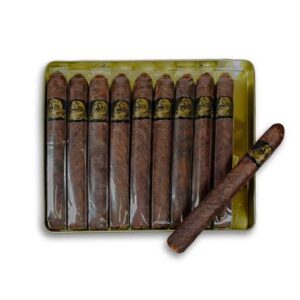
Cuban vs Non Cuban Cigars
Flavor: Subtle Evolution vs Bigger Range
Flavor is where most buying decisions land. Cuban cigars often reward slower smoking and more attention. The best examples can start dry and grassy, then move into cedar, nuts, toast, leather, and earth with a clean finish. They aren’t always powerhouse cigars. In many cases, the appeal is balance rather than brute force.
Non-Cuban cigars cover a much bigger flavor map. A Nicaraguan blend may hit you with pepper, espresso, and dark cocoa. A Dominican cigar may run smoother and creamier with light wood and baking spice. Honduran cigars often bring a dense earthiness and spice that some smokers actively look for. If you like shopping by flavor family and strength target, non-Cuban options usually give you more immediate precision.
This is where preference matters more than reputation. If you want a cigar that reveals itself gradually, Cuban can make sense. If you want a cigar that announces itself in the first third and stays consistent, non-Cuban often has the edge.
Strength and Body Are Not the Same Thing
A common buying mistake is assuming Cuban means strong and non-Cuban means stronger. That’s too loose to be useful. Strength refers to nicotine impact. Body refers to how heavy or full the smoke feels on the palate.
Many Cuban cigars sit in the mild-to-medium or medium range in perceived strength, even when they have solid body and depth. Some feel refined and aromatic rather than forceful. Non-Cuban cigars, especially from Nicaragua, are more likely to push into medium-full or full territory, though there are plenty of smooth and approachable options as well.
If you smoke occasionally, or you prefer a cleaner, less aggressive profile, a medium Cuban-style experience may suit you. If you already know you like heavier blends after a meal or during a long session, a stronger non-Cuban cigar may be the better buy.
Construction and Consistency
Construction matters just as much as flavor because poor burn and tight draw can ruin a premium cigar fast. Cuban cigars have a legendary reputation, but reputation and consistency are not always identical. Some smokers love the character and tradition. Others find that quality can vary more than expected from one box or vitola to another.
Non-Cuban producers, particularly major factories in Nicaragua and the Dominican Republic, have built strong reputations on consistency. For buyers who want reliable draw, even burn, and predictable performance across repeat purchases, that can be a deciding factor. If you’re ordering with confidence and don’t want surprises, consistency is not a small detail – it’s part of the value.
That doesn’t mean every non-Cuban is better made, or that every Cuban is inconsistent. It means factory standards, quality control, and storage conditions matter more than the label alone.
Price and Value in the Cuban vs Non Cuban Cigars Debate
Price is where opinions get practical. Cuban cigars often carry prestige pricing, and part of what you pay for is name recognition, origin, and demand. If you specifically want that classic Cuban profile, the premium may be worth it. If you’re chasing the label more than the flavor, maybe not.
Non-Cuban cigars usually offer a wider value range. You can find premium hand-rolled sticks, everyday bundle options, machine-made cigars, and fuller-bodied smokes that cost less than comparable Cuban labels. For regular smokers who rotate through multiple brands and formats, non-Cuban often wins on price-to-performance.
That matters for box buyers. If you want something to smoke often rather than save for select occasions, paying for consistency and flavor fit usually makes more sense than paying for heritage alone.
Availability Shapes the Buying Decision
A cigar can’t be your go-to if you can’t get it when you want it. Availability is one of the biggest real-world differences between Cuban and non-Cuban buying.
Non-Cuban cigars are generally easier to source in a wider spread of brands, strengths, wrappers, and price points. That makes them more practical for shoppers who buy by routine, restock by the box, or like trying different blends without waiting around for certain lines to show up.
Cuban cigars can be more selective in availability depending on region, importer channels, and current stock movement. For Canadian buyers, access may be better than in some other markets, but availability still varies by brand and vitola. If you have a specific stick in mind, stock timing matters.
That’s one reason large catalog retailers matter in this space. A broad selection lets you compare formats and profiles side by side instead of settling for whatever is left on the shelf.
Who Should Buy Cuban Cigars?
Cuban cigars make the most sense for smokers who care about classic origin, traditional flavor development, and the distinctive profile that Cuban tobacco can offer. They also appeal to buyers who enjoy slower, more contemplative smoking and don’t mind paying more for a category with strong heritage behind it.
They’re also a solid choice when the moment itself matters. If you want a cigar for a milestone, a gift, or a special evening, Cuban labels carry recognition that still means something to a lot of smokers.
The trade-off is straightforward. You may pay more, and depending on the cigar, you may not get the big, immediate flavor blast some smokers expect.
Who Should Buy Non-Cuban Cigars?
Non-Cuban cigars fit smokers who want more control over flavor, strength, construction style, and price. They’re especially strong for regular buyers who know what they like and want repeatable results. If you want full-bodied blends, broader wrapper choices, or better everyday value, this category is hard to beat.
They also make sense if you rotate between premium handmade cigars and more casual smoking formats. A wide non-Cuban selection can cover mellow morning smokes, richer evening cigars, and budget-friendly options for frequent use.
For many adult shoppers, this is the practical side of the market. More variety, more price flexibility, and often more consistency.
How to Choose Without Overthinking It
If you’re stuck between the two, start with what you actually enjoy smoking, not what gets talked about most. If you like nuanced earth, cedar, toasted notes, and measured transitions, try Cuban. If you prefer pepper, cocoa, sweeter spice, fuller body, or a wider spread of blends, start with non-Cuban.
Also think about when you smoke. Special-occasion smokers may be happy spending more for origin and name recognition. Frequent smokers usually benefit from range, availability, and better value per stick.
And be honest about your patience level. Some smokers enjoy chasing specific boxes, aging cigars, and comparing subtle differences. Others want a dependable cigar they can reorder fast, light up, and enjoy without turning it into a project.
Backwoods Supplies Canada serves both kinds of buyers, which is really the point. The best cigar category is the one that matches your taste, your budget, and your buying habits without wasting your time.
The smart move is simple: buy for the smoke you want, not the argument you keep hearing.