
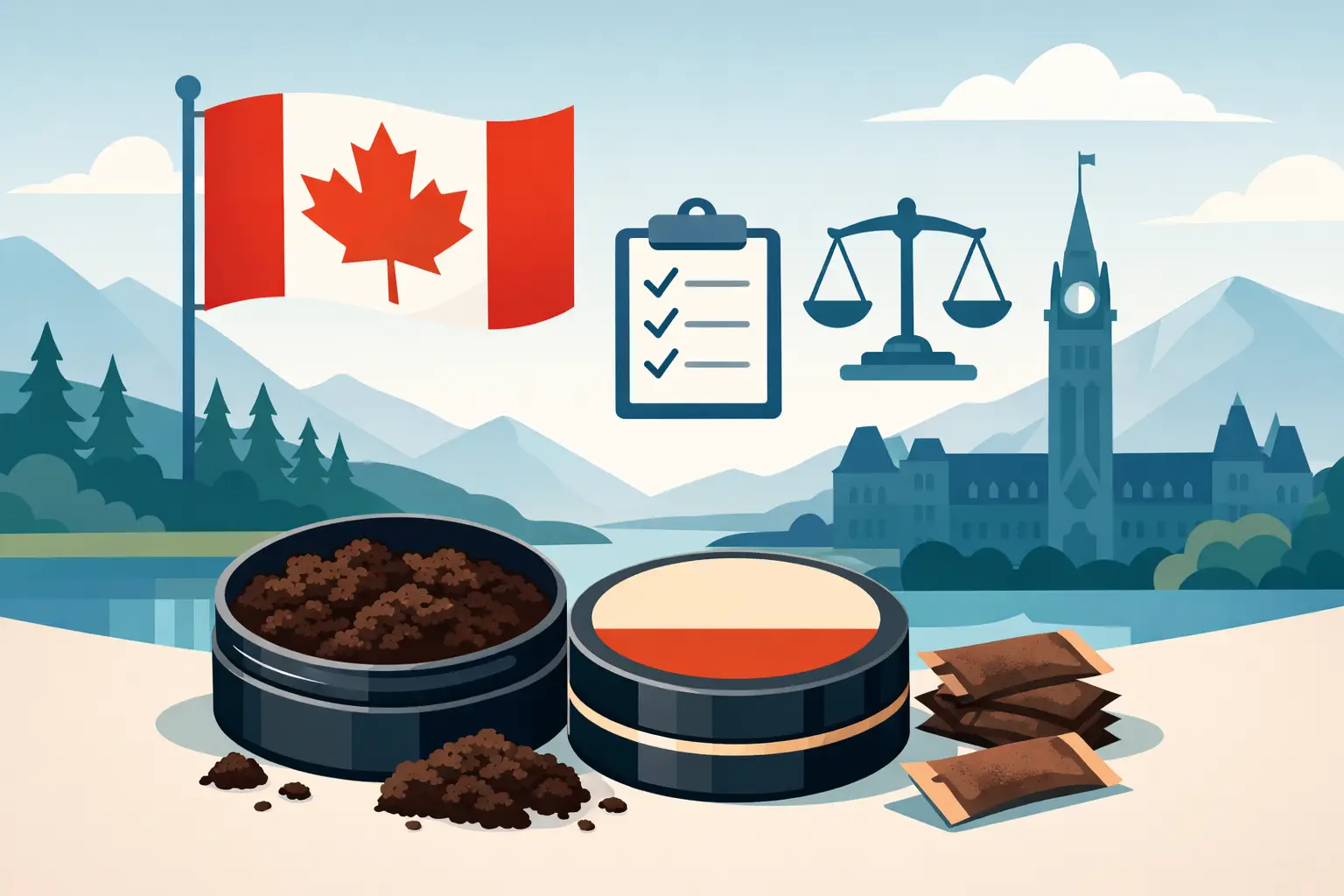
Chewing tobacco Canada shoppers are often looking for something specific: a familiar cut, a preferred moisture level, or a brand they have used before. Unlike cigarettes or cigars, smokeless tobacco is not a one-format category. Product style, tin size, flavor profile, and freshness all affect the experience, which is why clear labels and consistent stock information matter when adults are comparing options.
This category is intended for adults of legal age only. Tobacco and nicotine products carry serious health risks, including nicotine dependence and oral health harms. Product availability and rules can also vary by province or territory, so adult consumers should check the requirements that apply where they live before placing an order or arranging pickup.
What Counts as Chewing Tobacco in Canada?
The term chewing tobacco is used broadly, but it can refer to several traditional smokeless tobacco formats. Some products are made to be placed between the cheek and gum, while others are loose, shredded, or pressed into a plug. The common thread is that the product is used orally rather than smoked.
For shoppers, the practical difference comes down to texture, moisture, portion control, and how the tobacco is packaged. A loose-cut product can offer more flexibility in portion size, but it may require more care to handle. A pouch-style product is more contained and convenient for people who prefer less loose material. Plug tobacco is denser and typically appeals to consumers who already know that format.
Do not confuse traditional chewing tobacco with nicotine pouches. Nicotine pouches may contain nicotine but no tobacco leaf, while chewing tobacco is a tobacco product. They may appear beside one another in a broad adult nicotine catalog, yet they are different categories with different ingredients, product labeling, and user preferences.
Common formats adult shoppers recognize
Loose cut is shredded tobacco sold in a container. It is often selected by experienced users who want control over the amount used. Long cut has a more defined strand length and is generally easier to pinch than a finer cut. Fine cut is more granular, which some consumers prefer but others find less manageable.
Pouches provide pre-portioned tobacco in small packets. They can simplify handling and help keep loose tobacco contained. Plug chewing tobacco is compressed into a firm block or bar and is cut or bitten into portions. Each format has a distinct feel, so the right choice depends less on a universal ranking and more on what the adult customer already uses or wants to try within the legal market.
Reading Chewing Tobacco Canada Product Labels
A product title alone rarely tells the full story. Adults comparing chewing tobacco in Canada should look past the brand name and verify the format, net weight, flavor description, and manufacturer details. These details help avoid a common ordering mistake: buying a different cut or package style than expected.
Flavor labels also need a practical reading. Terms such as wintergreen, mint, straight, natural, or classic may suggest a general profile, but strength and sweetness can vary widely between brands. A label that says natural does not mean the product is safer. It usually describes the tobacco flavor direction rather than a health claim.
Packaging dates and storage conditions deserve attention as well. Moisture is a major part of product quality in this category. Tobacco that dries out can feel harsher and lose its intended texture, while excessive heat can affect the product over time. Sealed packaging protects the contents, but it does not make long-term improper storage harmless.
For a retailer, accurate product pages should make the essentials easy to find: brand, cut or pouch format, quantity, flavor, and current stock status. That is especially useful with specialty tobacco categories where names can be similar and package designs may change.
Storage Matters More Than Many Shoppers Expect
Chewing tobacco is best kept sealed until use and stored in a cool, dry place away from direct sunlight. A hot car, windowsill, or humid garage is not a good storage location. Heat and fluctuating temperatures can reduce freshness and change the product’s moisture balance.
Once opened, close the container securely after each use. If the product comes in a resealable pouch, press the seal closed firmly. Avoid transferring tobacco into an unmarked container, particularly in a household with children or pets. Original packaging provides product identification, warning information, and a clearer way to monitor condition.
Buying more than you can use promptly is not always the best value. Larger quantities can make sense for a product you already know and use regularly, but only when you have appropriate storage and expect to use it within a reasonable period. For an unfamiliar format or flavor, a smaller package may be the more practical choice.
Availability, Age Rules, and Provincial Differences
Canada regulates tobacco products at the federal level, while provinces and territories can apply additional rules on retail sales, age verification, flavors, taxes, and delivery. The legal age for tobacco purchase is not identical everywhere. Retailers and buyers must follow the laws in the delivery or pickup location, not simply the rules where a product is listed online.
Online tobacco ordering also requires more than adding an item to a cart. Adult age verification, shipping restrictions, signature requirements, and local pickup procedures may apply. A legitimate retailer may ask for identification at different points in the order process. That is part of responsible access control, not an optional extra.
Stock can move quickly in specialty tobacco categories. Imported products, limited production runs, changing regulations, and distributor supply can all affect availability. If a preferred cut or label is unavailable, compare the format first before switching brands. A pouch is not automatically a substitute for loose cut, and a fine cut may not suit someone accustomed to long cut.
Backwoods Supplies Canada Inc. organizes adult tobacco and nicotine categories around product type, recognizable brands, and current availability, helping customers identify the format they are actually seeking rather than sorting through unrelated items.
Health Considerations Before You Choose
Smokeless does not mean risk-free. Chewing tobacco contains nicotine, which can lead to dependence, and its use is associated with serious health concerns, including gum disease, tooth loss, mouth lesions, and cancers of the mouth, throat, and pancreas. No flavor, cut, or packaging style removes those risks.
People who do not currently use tobacco should not start. Adults who already use chewing tobacco and want to reduce or stop nicotine use may benefit from speaking with a health professional, pharmacist, or provincial cessation service. Support can include counseling, nicotine replacement options, and planning for cravings or routines that trigger use.
If you notice persistent mouth sores, bleeding gums, unusual patches, pain when swallowing, or changes that do not heal, seek medical or dental advice promptly. Regular dental checkups are particularly relevant for anyone using oral tobacco products.
A Better Way to Compare the Category
The fastest way to narrow the selection is to start with format, then look at flavor, package size, and brand. That order prevents most mismatches. Someone who needs pouches should not start by browsing every tobacco label; someone looking for a traditional long cut should confirm the cut before comparing wintergreen and straight varieties.
Check the listing details, review the warning information, and make sure the product can legally be sold and delivered to your location. If a listing does not clearly identify its format or size, treat that as a reason to verify before ordering rather than guessing.
For adult consumers who choose to use tobacco, the useful standard is not simply finding a familiar name. It is finding clearly labeled products, handling them responsibly, storing them properly, and keeping the health risks in full view.
