

If you are shopping by brand instead of just buying whatever is on the shelf, a Marlboro Camel Lucky Strike comparison matters fast. These three names sit in the same cigarette conversation, but they do not smoke the same, finish the same, or appeal to the same kind of adult buyer. The difference usually comes down to flavor profile, body, draw, and how consistent the brand feels from pack to pack.
For most customers, this is not a history lesson. It is a buying decision. If you already know you want a familiar full-flavor cigarette, a lighter profile, or something with a more distinctive blend character, comparing Marlboro, Camel, and Lucky Strike side by side helps narrow the choice without wasting time on trial purchases that miss the mark.
Marlboro Camel Lucky Strike comparison by smoking profile
Marlboro is usually the most straightforward of the three. The brand identity is built around a firm, recognizable tobacco taste that many adult smokers describe as clean, direct, and dependable. If your priority is a cigarette that feels familiar and balanced without too much blend complexity, Marlboro often lands first.
Camel tends to attract buyers who want more character in the smoke. Depending on the variety, Camel often reads smoother in the first few draws, with a rounder body and a blend profile that some smokers find a little richer or more aromatic. It can feel less sharp than a comparable Marlboro, though that depends heavily on the specific line.
Lucky Strike usually sits in a slightly different spot. For some adult smokers, Lucky Strike has a more classic or old-school appeal, especially when they want a stronger tobacco-forward identity that feels less mass-market and more distinct. Some varieties come across as drier or more toasted in profile compared with Camel, while others compete more directly with Marlboro in the standard full-flavor lane.
That is the key point in any Marlboro Camel Lucky Strike comparison: these brands overlap, but they do not duplicate each other. A smoker looking for a dependable everyday profile may lean Marlboro. Someone who wants a softer entry with more blend personality may prefer Camel. A buyer chasing a more pronounced traditional cigarette character may end up with Lucky Strike.
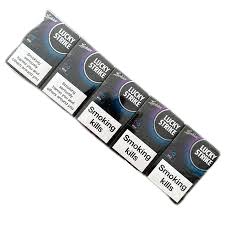
marlboro camel lucky strike comparison
Flavor and strength differences
Flavor is where the comparison gets practical. Marlboro generally stays in a tighter lane. Even across different strengths and styles, the brand is known for consistency and a controlled tobacco profile. It usually does not surprise the buyer. That is a selling point if repeatability matters more than variety.
Camel has a reputation for more noticeable blend identity. Adult smokers who pay attention to aftertaste, room note, or mouthfeel often notice Camel differently than Marlboro. In simple terms, Camel can feel smoother to some smokers and more flavorful to others. That does not automatically mean stronger. Smoothness and strength are not the same thing.
Lucky Strike can be the hardest to generalize because buyer expectations vary. Some smokers approach it expecting a bolder, more old-school smoke. Others are looking for a brand that sits between Marlboro’s directness and Camel’s rounded blend. In practice, Lucky Strike often appeals to customers who want a cigarette with more edge than a softer mainstream option but do not necessarily want the heaviest hit available.

marlboro camel lucky strike comparison
Strength also depends on whether you are buying full flavor, lights, silver, gold, or other sub-variants. A full-flavor Camel and a lighter Lucky Strike are not real equivalents, and neither is a Marlboro Gold versus a stronger Camel line. Brand comparison only gets useful when format and strength tier are matched as closely as possible.
Full flavor buyers
If you usually buy full flavor, Marlboro often delivers the most familiar benchmark. It is direct and reliable. Camel full-flavor options can feel slightly smoother or more rounded in delivery, while Lucky Strike may appeal more if you want a stronger tobacco impression instead of a neutral mainstream finish.
Light and smoother styles
For smokers moving toward a lighter or less aggressive profile, Marlboro and Camel are often the easier direct comparison. Marlboro lighter styles tend to stay crisp and controlled. Camel lighter styles can feel smoother and a bit more relaxed in the draw. Lucky Strike in this lane depends more on the exact product, and availability can matter as much as preference.
Draw, burn, and finish
A lot of adult smokers talk about flavor first, but draw and burn are what keep a cigarette in the regular rotation. Marlboro is often chosen because it feels standardized. The draw is predictable, the burn is usually even, and the finish is clean enough for smokers who do not want a cigarette that changes too much over the session.
Camel can feel more forgiving on the inhale for some smokers. That smoother first impression is one reason the brand keeps a loyal customer base. If you dislike a cigarette that feels too dry or too abrupt at the start, Camel may be the better fit.
Lucky Strike often appeals to smokers who notice the finish more than the first draw. Depending on the variety, it can leave a more pronounced tobacco taste after each cigarette. For some buyers, that is exactly the point. For others, especially smokers who want a cleaner or less lingering finish, Marlboro or Camel may be the easier daily choice.
Burn rate also matters if you are buying by habit and budget. Some smokers feel certain Marlboro styles burn in a more controlled way, which helps with consistency. Camel can feel slightly softer in the smoke experience. Lucky Strike may satisfy smokers who want a cigarette that feels more substantial, but personal preference plays a big role here.
Which brand fits which kind of buyer?
Marlboro suits the adult smoker who wants a recognized standard. It is usually the easiest choice for brand-loyal buyers who prioritize consistency, broad familiarity, and a cigarette profile that stays close to expectation. If you do not want to guess, Marlboro is often the safe purchase.
Camel fits the buyer who wants a mainstream brand but with more blend personality. If smoothness matters, or if you tend to notice subtle differences in body and finish, Camel often makes more sense. It is still highly recognizable, but it can feel less plain than a straight benchmark cigarette.
Lucky Strike suits the buyer looking for more distinction. If you want a cigarette that feels a little more character-driven and less like the default shelf option, Lucky Strike can be the better pick. It may not be everyone’s everyday cigarette, but it often works well for smokers who know exactly what kind of tobacco presence they want.
Availability and format matter as much as brand
This is where many comparisons fall apart. The best brand on paper is not useful if the exact style you buy is out of stock, limited, or hard to replace. Adult smokers rarely shop only by logo. They shop by specific pack, strength, size, and sometimes by regional availability.
That makes format a real deciding factor. A smoker comparing Marlboro, Camel, and Lucky Strike should check which sub-variants are actually available at the time of purchase. Full flavor versus gold, king size versus 100s, or other line differences can change the entire experience. If your preferred version is inconsistent to source, the backup brand with better availability may become the smarter regular buy.
For online buyers, especially those who want multiple cigarette brands and tobacco products in one order, selection matters as much as taste. A store with a broad inventory lets you compare what is in stock right now instead of settling for one brand because retail shelves are thin. That is a practical advantage when you already know your preferred profile but want flexibility between major labels like Marlboro, Camel, and Lucky Strike.
So which one is better?
There is no universal winner in a Marlboro Camel Lucky Strike comparison because the better brand depends on what you are trying to get out of the cigarette. Marlboro is often the strongest pick for consistency and standard full-brand familiarity. Camel is often the better choice for smokers who want a smoother, more rounded profile. Lucky Strike tends to work best for buyers who want a cigarette with more individual character and a stronger traditional feel.
If you are choosing for daily use, buy based on the style you actually smoke, not just the brand name. If you are trying something different, stay close to your current strength tier so the comparison is fair. And if stock availability affects your routine, it makes sense to shop where major labels and harder-to-find options sit in one place, which is exactly why many adult buyers browse broad-category retailers like Backwoods Supplies Canada.
The smartest buy is the one that matches your preferred flavor, draw, and finish without making the next reorder harder than it needs to be.